How Virtual Phone Numbers Are Changing Mobile Account Verification
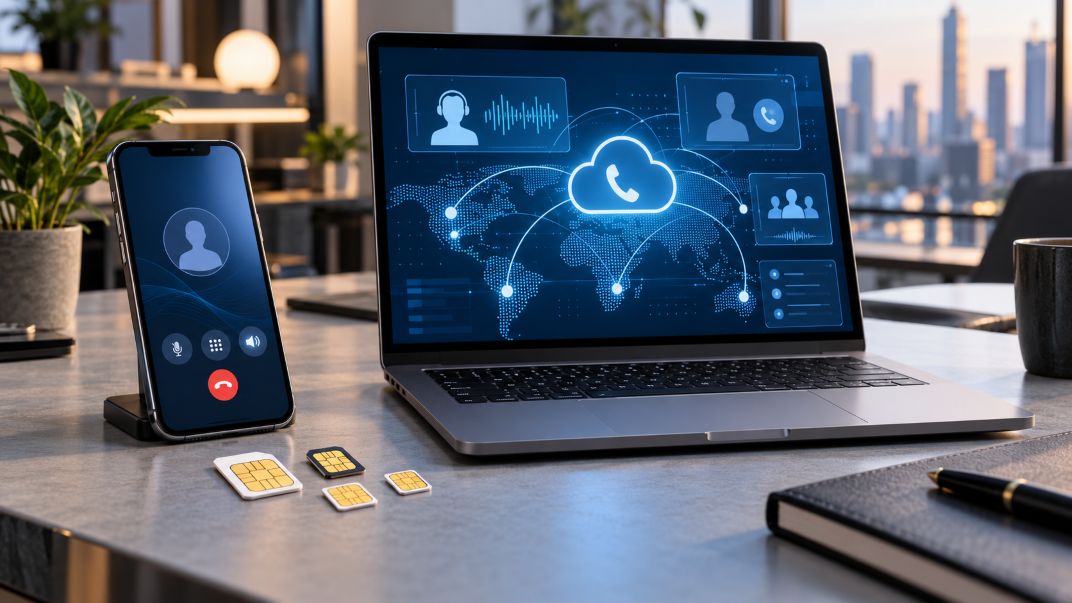
Mobile applications often use phone number verification to confirm account registrations and reduce automated sign-ups. Users typically receive a one-time password (OTP) through SMS and enter it to complete registration. This process helps applications check whether someone can access a particular phone number. However, receiving a verification code does not establish a person’s identity or guarantee that an account is legitimate.
Verification becomes more complicated when users register for several applications. Some prefer keeping their personal numbers private, while others cannot easily obtain additional SIM cards. Virtual phone numbers offer another way to receive SMS messages without purchasing another physical SIM. Depending on the application, a non voip number may provide an alternative to internet-based numbers when verification systems distinguish between different telephone network types.
Why Is Traditional SMS Verification Becoming More Complicated?
Phone verification remains familiar because most mobile users understand text messaging. Yet the process creates challenges when applications require separate numbers, restrict certain number types, or depend on reliable SMS delivery.
Privacy is another concern. Providing a personal number to multiple services increases the number of organizations handling that information. Users may also receive unwanted messages or face difficulties when traveling internationally.
The National Institute of Standards and Technology (NIST) identifies SMS authentication as a restricted method because telephone networks face security risks. These include number transfers, SIM changes, and unauthorized access. Its digital identity guidelines recommend considering such risks before delivering authentication codes.
These limitations have encouraged interest in alternative verification methods, including virtual numbers and application-based authentication.
What Changes When Phone Numbers Become Virtual?
Virtual phone numbers allow people to receive communications without always relying on a dedicated physical handset or SIM card. However, virtual services operate through different technologies, and these differences affect verification compatibility.
VoIP Numbers: Flexible but Sometimes Restricted
Voice over Internet Protocol (VoIP) services transmit communications through internet-based systems. Users can often access messages through applications or online dashboards.
This flexibility makes VoIP useful for business communications and managing separate contact numbers. However, some verification providers restrict internet-based numbers because they may lack the device association expected by their authentication policies.
Twilio explains that certain VoIP services cannot reliably receive messages sent from short codes. Consequently, an internet-based number that supports ordinary text messages may still fail during application verification.
Traditional Mobile Numbers: Familiar and Persistent
Conventional mobile numbers connect to cellular services through SIM cards or eSIM technology. They generally provide a stable contact method for receiving verification messages, provided the carrier and messaging route are supported.
These numbers are useful for accounts requiring ongoing authentication. However, maintaining additional mobile lines can involve subscription charges, identity registration requirements, or device limitations.
Temporary Mobile-Routed Numbers: Convenient but Limited
Some services provide temporary access to numbers classified as mobile rather than VoIP. These may be used to receive verification messages without maintaining another personal subscription.
However, the classification alone does not guarantee acceptance. Applications may identify disposable numbers, restrict previously used numbers, or reject particular providers.
Users should also understand whether the number is exclusive, shared, reusable, or eventually reassigned. These conditions can affect privacy and future account access.
Which Verification Option Works Best for Different Needs?
No single number type suits every application. The differences become clearer when examining accessibility, compatibility, cost, and long-term reliability.
Availability Versus Verification Compatibility
VoIP numbers are often convenient because users can access them through internet-connected devices. Traditional cellular numbers depend on carrier availability, while temporary mobile-routed services depend on their provider’s inventory.
However, availability does not equal compatibility. Verification platforms may examine number classifications and delivery routes before accepting registrations.
The NIST digital identity guidelines distinguish telephone-network authentication from methods that do not establish possession of a particular device. This helps explain why verification systems may treat VoIP and cellular numbers differently.
Lower Costs Versus Long-Term Value
Temporary numbers may reduce the need for an additional recurring mobile subscription. They can be practical for limited, legitimate verification needs where the application’s rules permit them.
Traditional mobile plans generally involve ongoing costs but provide greater continuity. VoIP services vary widely, offering free, subscription-based, or usage-based arrangements.
Before selecting an option, users should compare message charges, access duration, renewal conditions, and account recovery requirements. The cheapest initial option may become inconvenient if the number later becomes unavailable.
Where Does Temporary Verification Fall Short?
The biggest concern is continued access. An application may send another code when someone changes devices, resets a password, or attempts to recover an account.
If the original number has expired or been reassigned, the legitimate account holder may struggle to complete these steps. Recycled numbers can also create security concerns when recovery messages reach a new holder.
The OWASP Foundation recommends secure recovery procedures that rely on previously established evidence rather than recently changed contact information alone.
Traditional mobile numbers are not immune to attacks. The Federal Communications Commission (FCC) has documented SIM-swapping and port-out fraud, where attackers unlawfully transfer control of telephone numbers.
For sensitive accounts, users should consider stronger authentication methods and avoid depending entirely on temporary SMS access.
Why Stronger Authentication Still Matters
SMS verification provides a useful basic check, but it cannot independently establish genuine identity or prevent every fraudulent registration.
The OWASP Foundation recommends stronger protections for sensitive applications, including authenticator-based codes and phishing-resistant methods such as passkeys.
Developers can also improve registration security through rate limits, suspicious activity monitoring, and risk-based verification. These measures help distinguish ordinary users from potentially abusive registration attempts without relying exclusively on phone numbers.
Alternative authentication options can also improve accessibility for people who have limited cellular coverage or cannot reliably receive SMS messages. Developers should consider how verification requirements affect the overall mobile app user experience. Offering clear instructions, reliable verification methods, and accessible recovery options can help reduce registration difficulties while maintaining account security.
How Will Mobile Account Verification Evolve?
Virtual phone numbers provide additional flexibility for users managing online registrations and digital privacy. Their usefulness depends on the underlying technology, provider policies, and application’s acceptance rules.
Traditional cellular numbers remain relevant for ongoing account access, while temporary services serve narrower purposes. Neither approach removes the security limitations associated with SMS verification.
As mobile software evolves, developers will increasingly need to balance convenience, privacy, accessibility, and account protection. Stronger authentication choices, combined with transparent verification policies, can help create safer registration experiences without placing unnecessary demands on legitimate users.


